
FEATURE
Comply with the EU AI Act
Designed to support compliance with the EU AI Act by enforcing policies, tracking agent activity, and maintaining auditable records across AI exchanges.
IN THIS ARTICLE
The EU AI Act is the first broad EU-wide law that sets requirements for how AI is built, deployed, and governed—especially when AI is used in sensitive or “high-risk” contexts. It’s designed to reduce harm, improve transparency, and ensure accountability as AI becomes embedded in critical workflows.
What’s changed with agentic AI is not just what models can do, but how they operate: agents can initiate actions, exchange information, and trigger workflows at machine speed. That’s why compliance can’t live in PDFs and post-hoc audits anymore—it needs to be enforced at runtime, where decisions and data move.
Compliance can’t be an afterthought when the system acts on its own.
Why this matters now
The AI Act entered into force on 1 August 2024, and obligations apply in phases. Some obligations (like banned practices and AI literacy) began applying earlier, and additional requirements roll out over time.
The “high-risk AI” obligations were originally scheduled to apply from 2 August 2026. Under the Digital Omnibus, that date has moved: high-risk obligations now apply from 2 December 2027. That is later than first planned, but the work involved—documentation, human oversight, logging and record-keeping—takes time to build, so the sensible move is to start now. If your roadmap depends on exact deadlines, you should track the latest guidance and legislative updates closely.
What the EU AI Act expects in practice
The AI Act is risk-based, but the themes are consistent across obligations: governance, traceability, oversight, and control. In practical terms, organisations need systems that support:
- Policy enforcement (rules that define what’s allowed)
- Logging and traceability (records of what happened and why)
- Human oversight (humans able to supervise and intervene where appropriate)
- Monitoring and incident handling (detect issues, respond, and document results)
- Clear responsibilities (providers need evidence they did the right thing)
For high-risk AI systems in particular, the Act sets expectations around things like documentation, logging, human oversight, and cooperation with authorities.
How swarmed.ai implements compliance as a runtime layer
swarmd.ai is built as a regulatory control plane between AI systems—especially agent-to-agent and agent-to-tool exchanges. Instead of treating compliance as a periodic checklist, Swarmed makes it an always-on capability.
01
Policies that turn requirements into enforceable rules
swarmd.ai lets you express “what should happen” as policies—what data may pass, which actions are permitted, what requires review, and what must be blocked. This maps directly to governance needs: the rules are explicit, consistent, and testable.
Examples:
- “PII must be redacted before leaving the organisation”
- “High-impact actions require human approval”
- “Only approved tools can be called for customer data workflows”
02
Logging that produces audit-ready evidence
swarmd.ai treats logs as compliance evidence, not developer-only debugging. It records exchanges and actions in a structured way so you can reconstruct decisions and demonstrate control—supporting requirements that emphasise logs/records and accountability.
Outputs typically include:
- What was requested and by which agent
- Which policy applied
- What was allowed/blocked/redacted
- Timestamps and relevant metadata for traceability
If it happened, you can prove it.
03
Human-in-the-loop review where it matters
Not every decision should be fully automated—especially where impact or uncertainty is high. swarmd.ai supports human-in-the-loop gates so teams can require review/approval at defined points in the workflow, aligning with the Act’s emphasis on human oversight as a core safety mechanism.
Common patterns:
- Escalation when a policy match is “high confidence risk”
- Approvals for irreversible actions (payments, account changes, deletions)
- Review of borderline content or sensitive data movement
04
Detection middleware that enforces policy at the point of exchange
Compliance depends on what you can detect. swarmd.ai supports configurable middleware (e.g., MS Presidio, regex, and other detectors) to classify, redact, validate, or tag content as it flows—then apply policy decisions automatically.
This is how you get from “we have rules” to “the system enforces them every time.”
05
Reports that translate raw events into compliance outcomes
swarmd.ai generates compliance reports that move beyond “logs exist” to “controls are working.” Typical report types include:
- Policy compliance summaries (pass/fail trends)
- Violations and blocks by category
- Human-review queues and resolution outcomes
- Agent activity and tool usage by risk level
06
A governance ecosystem, not a single feature
Compliance is rarely one control—it’s a system. swarmd.ai approach is to connect:
That gives you a defensible compliance posture: rules are defined, enforcement is consistent, and evidence is retrievable.
Meeting the highest regulatory bar in AI governance —so you’re prepared for what comes next.
The business case: why “compliance by design” wins
Even if you’re not legally “high-risk” today, building these controls early pays off:
- Faster enterprise adoption (buyers want proof and oversight)
- Lower incident cost (blocks and reviews prevent “oops” moments)
- Simpler audits (evidence exists by default)
- Safer scaling (more agents ≠ more blind spots)
Autonomy scales. Accountability must scale with it.
A practical note on wording and claims
swarmd.ai supports AI Act-aligned controls and evidence generation. Whether a specific system is “compliant” depends on how you configure policies, your use case, and your organisation’s responsibilities under the Act (e.g., provider vs deployer). The point is to give teams the runtime tooling needed to operate in a compliance-first way.
Learn more
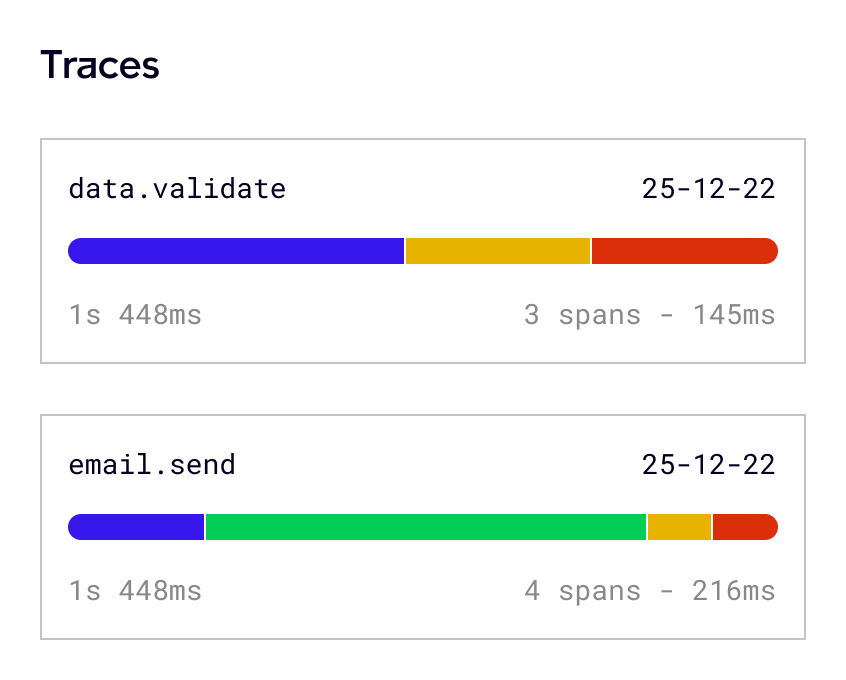
Trace every actionObserve activity in real time without interfering.
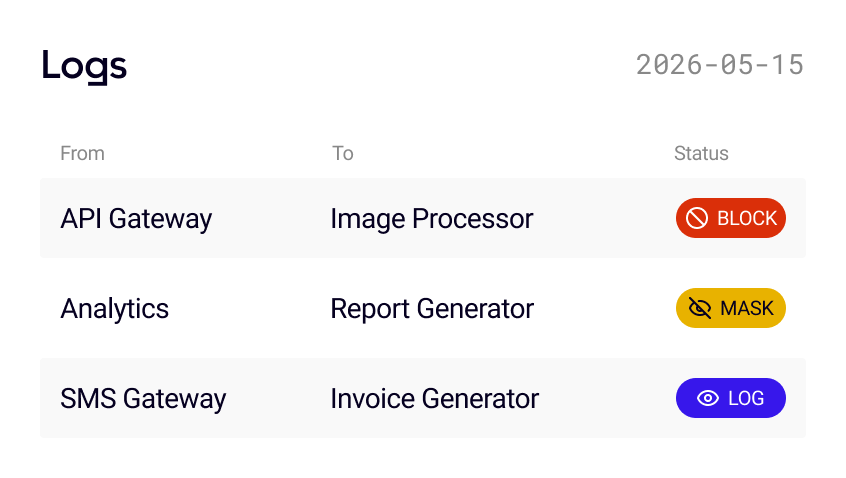
Log every eventCapture every interaction in a centralised record.
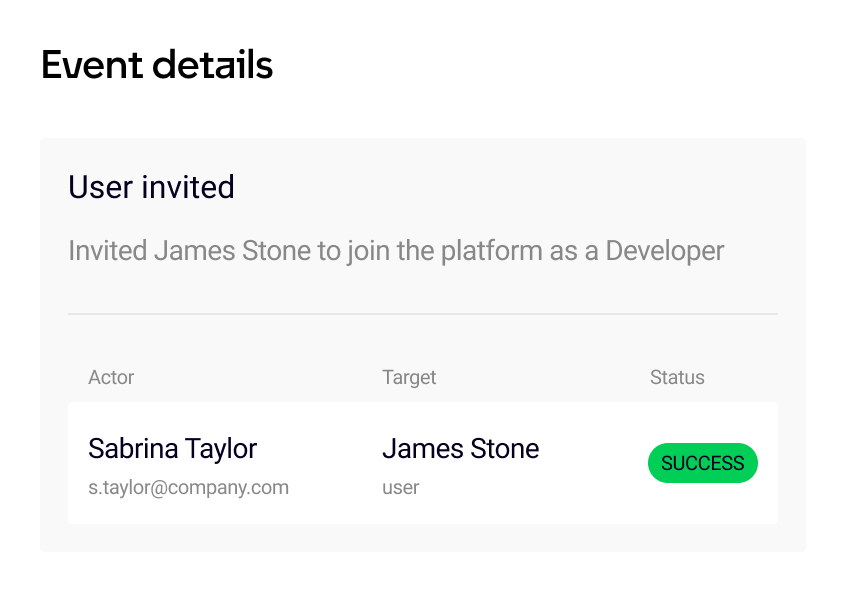
Audit every changeTrack and verify every system change and action.
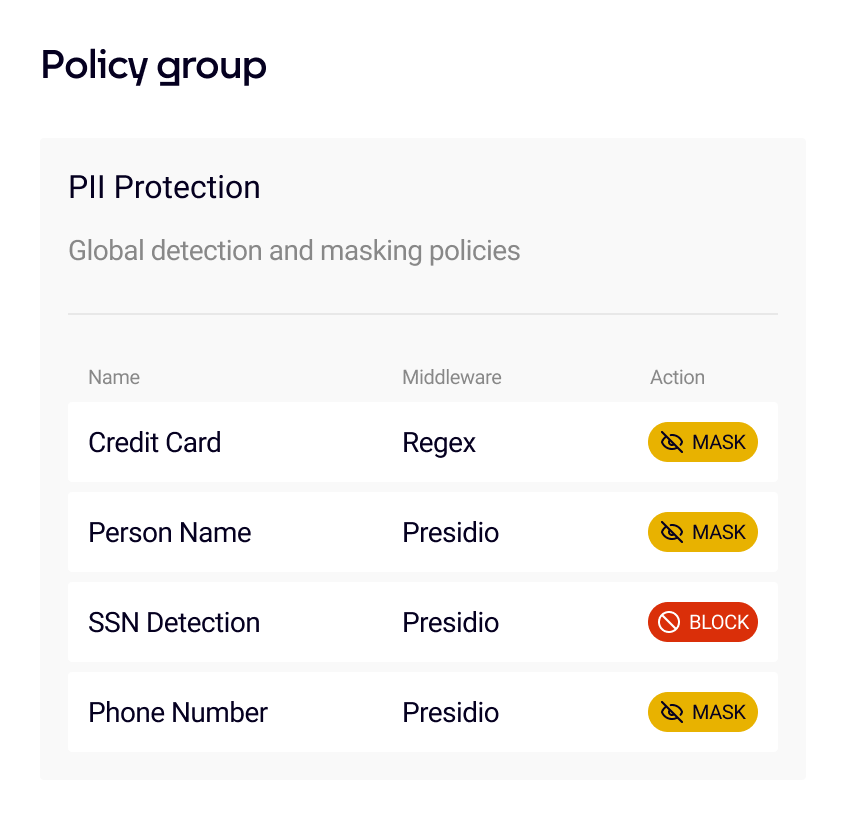
Create policyDefine the rules that govern AI.
Settle payments with proofProcess agent transactions with full compliance.
Create legal-grade recordsPreserve tamper-proof, court-admissible records.
Secure every requestVerify every request at every layer.
Keep humans in controlKeep humans in control by enabling review at key decision points.